Articlave: A Vintage Display Font with Modern Versatility
There's something magnetic about a typeface that carries history in its strokes while still feeling fresh enough for a contemporary Instagram story or a sleek product label. Articlave is exactly that kind of font—a premium display typeface that bridges the gap between vintage charm and modern design needs. If you've been searching for a creative font that doesn't look like everything else already saturating your feed, this one deserves a closer look.
What Makes Articlave Visually Distinctive
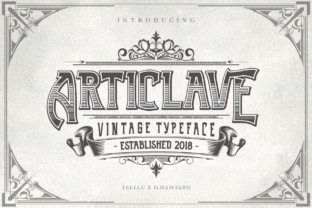
At its core, Articlave is a display font with a striking vintage aesthetic. The letterforms have weight, personality, and a handcrafted quality that immediately sets them apart from the geometric sans serifs and clean script fonts we see everywhere. But what truly makes this typeface stand out is its versatility. It ships in three distinct styles, which means you're not locked into a single look. You can shift moods, adjust tone, and create layered typographic compositions without ever leaving the same font family.
The three styles give you flexibility that most display fonts simply don't offer. Whether you need something bold and commanding for a headline or a slightly refined variation for supporting text, Articlave adapts. That kind of range matters when you're building a cohesive brand identity or working across multiple design assets—from a logo to a website header to a printed brochure.
And then there's the bonus: four extra vector ornaments in EPS format. These decorative elements are designed to complement the font's personality, giving you ready-made embellishments for borders, dividers, or standalone graphic accents. For anyone working on packaging design, editorial layouts, or invitations, those ornaments alone save hours of hunting for matching design assets.
Where Articlave Really Shines: Practical Applications
A font is only as valuable as the projects it elevates. Articlave's vintage character and multi-style flexibility make it a strong candidate for a surprisingly wide range of creative work.
Branding and Logo Design: If your brand leans into heritage, craftsmanship, artisanal quality, or a rustic-modern vibe, Articlave can anchor your visual identity. Think craft breweries, boutique bakeries, independent record labels, or handmade leather goods. The font's personality communicates authenticity without feeling dated, and having three styles means your logo, tagline, and secondary brand elements can all stay within the same typographic family while still feeling distinct.
Packaging and Merchandise: Great packaging design relies on typography that catches the eye from a shelf or a thumbnail. Articlave's bold presence works beautifully on labels, boxes, tote bags, and apparel. The included ornaments can frame product names or add decorative flourishes that reinforce a premium, handcrafted feel.
Social Media Graphics and Digital Content: Scroll-stopping social media graphics often hinge on strong typography. Articlave gives your quote cards, promotional posts, and story overlays a distinctive voice that stands apart from the default fonts most creators rely on. Pair it with a clean sans serif for body text, and you've got a visual hierarchy that feels polished without being sterile.
Print Materials and Editorial Design: Posters, magazine covers, event programs, restaurant menus, wedding invitations—any print project that benefits from a vintage or artisanal tone can leverage Articlave effectively. The font's readability at larger sizes makes it ideal for display use, while its character keeps even simple layouts feeling intentional and designed.
Websites and Blogs: Used strategically for headlines, hero sections, or pull quotes, Articlave can inject personality into a web design without sacrificing usability. It pairs well with neutral body fonts like a classic serif or a modern sans serif, creating contrast that guides the reader's eye naturally through the page.
Choosing the Right Style for Your Project
With three styles included, part of the creative process is deciding which variation best serves your specific goal. Here's a practical approach:
Start by defining the emotional tone of your project. Is it bold and assertive? Warm and inviting? Elegant and refined? Each Articlave style carries a slightly different mood, so matching the style to your project's personality is the first step. Test all three in context—drop them into your actual layout rather than evaluating them in isolation. A style that looks great on its own might feel too heavy or too subtle once it's sitting alongside your imagery and color palette.
Consider hierarchy, too. If you're designing a poster or a landing page, you might use one style for the main headline and another for subheadings. That layered approach creates visual interest while maintaining consistency—a hallmark of thoughtful modern typography.
And don't overlook the ornaments. Those four EPS vector elements can tie a design together in subtle ways. Use them as section dividers on a menu, corner accents on an invitation, or decorative frames around a logo mark. They're small details, but they contribute to a cohesive, professional presentation.
Font Pairing and Readability Considerations
Display fonts like Articlave are designed to command attention at larger sizes, which means they're not intended for body copy or long paragraphs. That's not a limitation—it's simply how display typefaces work. The key is pairing Articlave with a complementary font that handles the heavy lifting of readable text.
A clean sans serif like Montserrat, Lato, or Open Sans creates a modern contrast that lets Articlave's vintage personality pop without overwhelming the design. Alternatively, a classic serif like Georgia or Playfair Display can reinforce a traditional, editorial feel. The best approach is to test a few pairings directly in your project. Typography is visual—what works on paper (or screen) matters more than any rule of thumb.
Pay attention to scale and spacing as well. Articlave's detailed letterforms look best with a bit of breathing room. Generous line height and thoughtful kerning ensure the font reads cleanly, even when it's making a bold visual statement.
Licensing and Commercial Use
Before using any font in a commercial project, it's worth reviewing the licensing terms. Articlave is positioned as a commercial font, which typically means you can use it for client work, products for sale, and business branding—but specifics vary by license. If you're a freelancer, agency, or small business owner, make sure the license covers your intended use cases, especially if you're creating assets that will be distributed or resold, like templates or merchandise.
Understanding licensing isn't just about legal compliance. It's about respecting the work of type designers who invest significant time and skill into creating fonts like Articlave. A properly licensed font protects your projects and supports the creative community that produces the design assets we all rely on.
Bringing It All Together
Articlave isn't trying to be everything to everyone, and that's exactly what makes it effective. It's a display font with a clear point of view—vintage, characterful, and versatile enough to support a wide range of creative projects. Whether you're building a brand identity from scratch, refreshing your social media presence, or designing a one-off poster for a local event, having a typeface with this much personality in your toolkit gives you options that generic fonts simply can't match.
The three included styles and bonus vector ornaments make it a practical addition to any designer's library, not just a pretty face. Pair it thoughtfully, test it in context, and let it do what display fonts do best—make people stop, look, and pay attention.