Beecdor Additional: A Fresh Perspective for Modern Branding
There's a particular challenge in design work that goes beyond choosing colors or arranging layouts. It's finding that one visual element that ties everything together while still feeling fresh and contemporary. For many designers and business owners, typography becomes that crucial piece—the silent ambassador that communicates tone before a single word is read. If you've been searching for a typeface that balances modern aesthetics with practical versatility, you might find exactly what you need in this display font.
Understanding the Visual Character
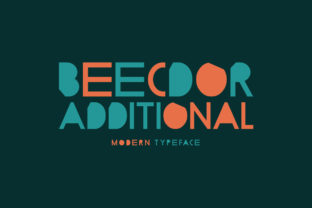
What sets Beecdor Additional apart from the crowded landscape of available typefaces? At its core, this is a modern display font designed with contemporary applications in mind. The letterforms carry a clean, confident structure that avoids feeling cold or overly geometric. There's enough personality in the curves and terminals to give it warmth, yet sufficient restraint to maintain professionalism across different contexts.
The design works particularly well at larger sizes, which makes it ideal for headlines, titles, and prominent text elements. When you're creating a logo or designing a website header, you need a font that commands attention without sacrificing legibility. Beecdor Additional strikes that balance effectively. The characters have enough spacing between them to breathe, even when used at scale, and the overall rhythm of the typeface feels natural rather than forced.
Where This Typeface Truly Shines
Let's talk about real applications rather than abstract qualities. Imagine you're launching a boutique coffee brand. Your packaging needs to look inviting and artisanal, your social media graphics need to stop the scroll, and your website needs to feel cohesive from the homepage to the checkout page. A font like Beecdor Additional can serve as the typographic anchor across all these touchpoints because its character is distinctive enough to be memorable yet flexible enough to work in multiple formats.
Consider these practical scenarios where the font proves its worth:
- Brand identity systems — Using it consistently across business cards, letterheads, and digital communications creates immediate recognition.
- Logo design projects — Its modern structure provides a strong foundation for wordmarks and combination logos.
- Packaging design — Product labels, boxes, and bags benefit from its clear readability at various sizes.
- Social media graphics — Instagram posts, Facebook covers, and Pinterest pins gain visual impact with bold display typography.
- Website headers and hero sections — First impressions matter online, and a striking headline font sets the tone immediately.
- Editorial layouts — Magazine spreads, blog graphics, and digital publications look polished with intentional type choices.
- Merchandise and apparel — T-shirt designs, tote bags, and branded merchandise need fonts that reproduce well across materials.
- Event invitations and stationery — Wedding invitations, corporate event materials, and greeting cards benefit from elegant display type.
- Marketing collateral — Flyers, brochures, posters, and digital ads all require typography that communicates quickly and effectively.
- Digital products — E-book covers, course graphics, and downloadable resources look more professional with curated font selections.
Building Consistency Across Your Projects
One of the most overlooked aspects of professional design work is consistency. When your typography shifts wildly between projects or even within a single project, audiences notice—often subconsciously. They might not articulate why something feels unprofessional, but the impression lingers. Choosing a reliable typeface family and using it intentionally across your brand ecosystem solves this problem.
Beecdor Additional works well as a primary display typeface paired with a simpler body text font. This approach gives you the best of both worlds: personality and impact in headlines, clarity and readability in longer passages. When testing font pairings, look for contrasts in weight, structure, and mood. A clean sans serif or a classic serif often complements a modern display font beautifully, creating visual hierarchy without visual chaos.
Think about how your audience actually interacts with your materials. Someone scrolling through Instagram sees your post for maybe two seconds before deciding whether to engage. A website visitor forms an opinion about your brand within milliseconds of landing on your homepage. In those moments, typography does heavy lifting. The right display font communicates competence, creativity, and attention to detail before any content is consumed.
Practical Considerations for Implementation
Before committing to any font for a project or brand system, spend time actually testing it in context. Mock up your designs with real content rather than placeholder text. Check how the letterforms look at the specific sizes you'll use most often. Print a sample if the project involves physical materials—what looks sharp on screen sometimes loses definition in print, and vice versa.
Pay attention to the available styles within the font family. Does it include multiple weights? Are there italic options? Having access to a range of styles within one typeface gives you more flexibility without introducing visual inconsistency. You might use a bolder weight for primary headlines, a regular weight for subheadings, and a lighter weight for accent text—all while maintaining a unified typographic voice.
Licensing deserves attention too, especially for commercial work. If you're designing for clients, creating products for sale, or building assets for a business, make sure your font license covers those uses. Many premium fonts come with clear commercial licensing terms, but it's always worth reviewing the specifics before embedding a font in client deliverables, merchandise, or widely distributed digital products.
Matching Typography to Your Creative Goals
Every design decision should serve a purpose, and font selection is no exception. Before choosing Beecdor Additional for your next project, ask yourself what you want the typography to communicate. Are you going for bold and contemporary? Approachable and creative? Sleek and minimal? The answers should align with your brand personality and audience expectations.
A fitness brand targeting young professionals might use this font at maximum weight for punchy motivational graphics. A lifestyle blog could employ it at a medium weight for elegant section headers. A tech startup might pair it with a geometric sans serif for a forward-thinking aesthetic. The same typeface, applied with different intentions, produces remarkably different results.
Don't overlook the importance of spacing, alignment, and color when working with display typography. A beautifully designed font can fall flat if it's poorly set. Give your headlines room to breathe. Consider how the text interacts with surrounding visual elements. Test different color combinations to ensure contrast and readability. These details separate amateur-looking designs from professional work.
The fonts we choose shape how our messages are received. Whether you're building a brand from scratch, refreshing an existing visual identity, or simply looking for a creative font that brings energy to your next project, exploring options like Beecdor Additional opens up new possibilities. The best typography decisions happen when you understand both the tool and the task—and when you're willing to experiment until everything clicks into place. Your next standout design might be just one font choice away.