Gothic Haunt: Capturing Eerie Playfulness in Halloween Design
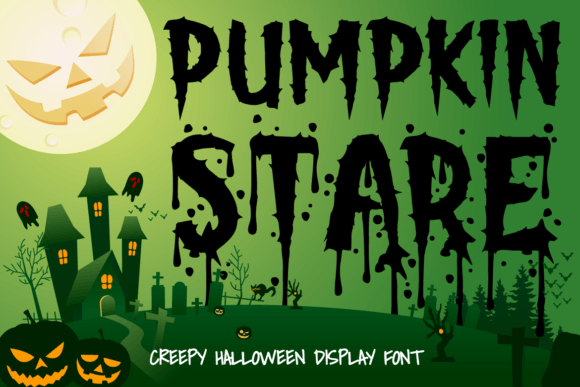
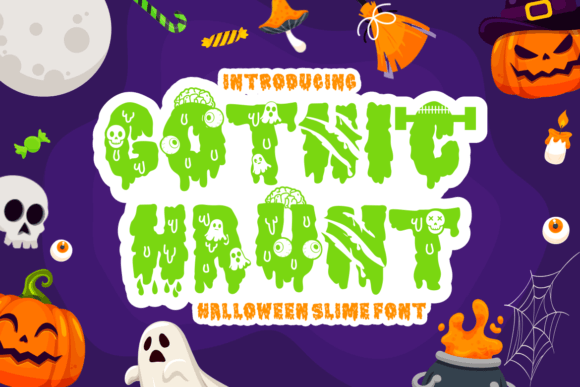
Imagine walking into a dimly lit room where cobwebs cling to every corner, and the air smells faintly of damp earth and aged wood. Now, imagine that feeling translated into typography. That’s the essence of Gothic Haunt—a Halloween slime font that doesn’t just sit on a page; it oozes personality. With letters that drip like melting wax and edges adorned with subtle, creepy details, this typeface manages to balance horror with a playful, almost cartoonish charm. It’s the kind of font that makes you look twice, not because it’s hard to read, but because it tells a story before you’ve even processed the words.
More Than Just a Display Font
At first glance, Gothic Haunt might seem like a novelty item reserved for October party invitations. But as a display font, its utility stretches far beyond seasonal decorations. Think about branding for a haunted attraction, a themed escape room, or even a niche bakery specializing in monster-themed cupcakes. The font’s inherent character instantly communicates a specific mood—spooky, fun, and slightly off-kilter—without needing lengthy explanations. It’s a typeface that does heavy lifting for visual communication, setting the tone before a single tagline is read.
What sets it apart from other premium fonts in the Halloween category is its versatility. Gothic Haunt typically includes multiple styles or alternates, allowing designers to mix and match. You might use a cleaner version for body text on a website and reserve the full-drip effect for a hero banner. This flexibility is crucial for maintaining visual consistency across a project while keeping things interesting. It’s not a one-trick pony; it’s a toolkit for building a cohesive, themed aesthetic.
Practical Applications for Creative Professionals
So, where exactly can you deploy this creative font? Let’s break it down into real-world scenarios where Gothic Haunt can solve design problems and elevate projects.
- Logo Design & Brand Identity: For businesses with a Halloween or horror focus—a costume shop, a horror podcast, a themed event company—this font becomes a cornerstone of brand identity. It’s distinctive enough to be memorable but structured enough to remain legible when scaled down for business cards or social media avatars.
- Packaging Design: Picture a bag of gourmet candy corn or a bottle of “witch’s brew” hot sauce. Gothic Haunt on the label immediately signals the product’s personality, appealing to a target audience looking for something fun and festive. The dripping effect can even be integrated into the overall packaging design artwork for a seamless look.
- Digital & Print Marketing: From email headers promoting a Halloween sale to posters advertising a fall festival, the font grabs attention. In social media graphics, where scroll-stopping power is everything, its unique silhouette stands out in a crowded feed. For editorial design, think magazine spreads about haunted houses or seasonal blog graphics—the font adds instant thematic depth.
- Mercandise & Invitations: T-shirts, mugs, tote bags, and party invitations all benefit from a typeface with this much personality. It turns ordinary merchandise into a collectible item and transforms a simple invitation into a keepsake.
Pairing and Readability: Keeping It Professional
Using a highly stylized font like Gothic Haunt requires a strategic approach to font pairing. The golden rule? Balance. Because Gothic Haunt is so expressive, it pairs best with simple, clean typefaces. A straightforward sans serif font like Open Sans or a classic serif font like Garamond for body text ensures your message remains clear and accessible. The display font handles the emotion and branding; the supporting font handles the information.
Readability is non-negotiable, especially for web design and marketing assets where users scan quickly. Use Gothic Haunt for headlines, subheadings, and short bursts of text where its details can shine. Avoid setting entire paragraphs in it. Test your designs at various sizes—what looks fantastic on a poster might become muddy on a mobile screen if the details are too fine. Always prioritize professional presentation over stylistic flair; a beautiful font that no one can read fails its primary job.
Choosing the Right Style for Your Project
Most display fonts like Gothic Haunt come with a family of styles. Before you dive in, review what’s included. Is there a bold version for impact? An italic for emphasis? Does it have alternate characters or ligatures that can add custom flair? Understanding these options allows you to tailor the typography precisely to your project’s goals.
For a children’s Halloween event poster, you might lean into the playful, slime-drip style to evoke fun scares. For a more sophisticated horror novel cover, you might use a cleaner, more condensed version of the same font family to suggest mystery without the cartoonish elements. The key is to match the font’s personality to the project’s audience and intent. A typeface is a voice—make sure it’s saying the right thing.
Commercial Considerations and Final Thoughts
Finally, before using any commercial font, always check the licensing. Most premium fonts require a specific license for commercial use, whether it’s for a client project, merchandise for sale, or digital products. Ensure you have the correct license to avoid legal headaches down the road. This is part of respecting the craft of typography and the designers who create these design assets.
Gothic Haunt is more than just a seasonal novelty; it’s a strategic tool for designers and business owners who want to inject a specific, memorable vibe into their work. It demonstrates how thoughtful typography can enhance audience engagement and solidify a brand’s visual language. So, the next time you’re faced with a project that calls for a touch of the macabre mixed with playful energy, consider letting a font like Gothic Haunt do the talking. It might just be the secret ingredient your design has been missing.