Unleash Raw Character with the Cracked Display Typeface
There’s a specific kind of visual language that speaks of history, endurance, and raw authenticity. It’s the look of a weathered shop sign, an old industrial stencil, or a vintage movie poster that has survived decades. This aesthetic doesn’t just catch the eye; it tells a story before a single word is read. For designers and creators seeking to inject this powerful, textured character into their work, the search often ends with a font that understands the beauty of imperfection. Enter a new tool built for this exact purpose: a vintage and grunge-distressed display font designed to make each of your designs stand out.
The Soul of a Typeface: More Than Just Letters
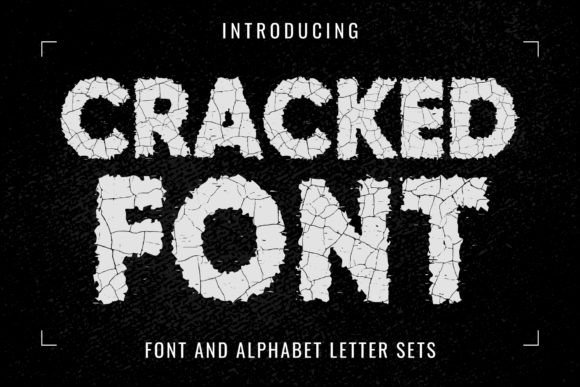
At its core, a premium font like this is a vessel for personality. It’s not merely a collection of glyphs but a carefully crafted aesthetic. The visual appeal lies in its intentional distress—subtle cracks, uneven edges, and a textured appearance that mimics the look of letterpress printing or hand-painted signage from a bygone era. This isn’t a clean, sterile sans serif font; it’s a creative font with a tangible, tactile quality. The slight imperfections in each character create a sense of history and handcrafted care, making it ideal for projects where you want to convey authenticity, ruggedness, or a touch of rebellious spirit. When you use it, you’re not just choosing a style; you’re adopting a voice.
Practical Applications: Where This Font Truly Shines
Understanding where to deploy such a distinctive typeface is key to leveraging its full potential. Its bold, textured nature makes it a powerhouse for specific applications where impact and mood are paramount.
- Logo Design & Brand Identity: For brands in the craft beer, outdoor adventure, artisan coffee, or vintage clothing space, this font can become the cornerstone of a brand identity. It instantly communicates a brand story of authenticity and quality craftsmanship. Imagine it on a brewery’s logo or the masthead of a rugged menswear label.
- Packaging Design: On a shelf crowded with minimal, modern designs, a product using a distressed display font commands attention. It works exceptionally well for hot sauces, specialty foods, vinyl record sleeves, or any product where a handmade, boutique feel is a selling point. The texture adds perceived value and character.
- Posters & Event Marketing: Need to promote a music festival, a vintage market, a theater production, or a local pub event? The Cracked font brings an immediate sense of energy and nostalgia. Its readability at large sizes makes it perfect for headlines that need to be both seen and felt from a distance.
- Merchandise & Apparel: This is where the font truly excels. It’s built for T-shirts, hoodies, tote bags, and hats. The distressed look feels natural on fabric, giving merchandise an instant vintage vibe that customers love. It avoids the “newly printed” feel and instead looks like a beloved classic from day one.
- Digital Presence: While primarily a display font, it can be used strategically in web design for hero section headlines, impactful subheadings, or calls-to-action. Paired with a clean serif font or sans serif font for body text, it creates a compelling visual hierarchy that guides the visitor’s eye. It’s equally powerful for social media graphics, creating scroll-stopping posts for Instagram, Facebook, or YouTube thumbnails.
- Editorial & Print Layouts: In magazines, books, or zines focusing on music, culture, history, or DIY projects, using this font for chapter titles or pull quotes adds a layer of editorial depth and thematic consistency. It enhances the reader’s experience by visually reinforcing the content’s tone.
Strategic Typography: Pairing and Readability
A font with this much personality requires thoughtful implementation. The goal is to create contrast and balance, not chaos. A fundamental rule of font pairing is to combine a decorative, attention-grabbing font like this one with a more neutral, highly readable counterpart. For body text, paragraphs, or any extended reading, always choose a simple, clean typeface. A geometric sans serif font like Montserrat or a classic serif font like Lora can provide excellent readability and complement the headline font’s roughness without competing with it.
Always test your pairings in context. View your design at actual size—on a phone screen, a printed page, or a t-shirt mockup. Does the headline retain its impact? Is the body text easy to read? The textured nature of a grunge-distressed font means it’s best suited for short bursts of text: titles, logos, and slogans. Using it for a full paragraph would quickly become tiresome for the reader. Its strength is in its punch, not its stamina.
Considering the Full Toolkit: Styles and Licensing
A well-designed commercial font often comes with more than one style. Check if the package includes variations—perhaps a slightly cleaner version, an all-caps set, or stylistic alternates. These additional styles expand your creative flexibility, allowing you to maintain the core aesthetic while adapting to different contexts within the same project. For instance, a cleaner variant might work better for a website headline where screen rendering is a concern.
Equally important is understanding the licensing. For any project intended for commercial use—whether you’re a freelance designer creating assets for a client, a small business owner developing your own branding, or a creator selling merchandise—ensure you have the appropriate commercial font license. This legal foundation protects your work and your client’s business, allowing you to use the font across all intended mediums, from digital design assets to physical printed goods, without worry.
Final Thoughts on Making It Your Own
Choosing a typeface is a foundational design decision. It sets the emotional tone and communicates volumes about a project’s identity. A font like this one offers a direct pathway to a vintage, handcrafted, and enduring visual language. It’s a tool for telling richer stories, for creating brands that feel lived-in, and for designs that resonate on a human, imperfect level. By applying it strategically—pairing it wisely, respecting readability, and understanding its ideal use cases—you can harness its raw character to elevate your projects and create work that genuinely connects. The results, as you’ll find, are designs with depth, personality, and a memorable presence.