Kemalhes: The Bold Display Font for Modern Designers
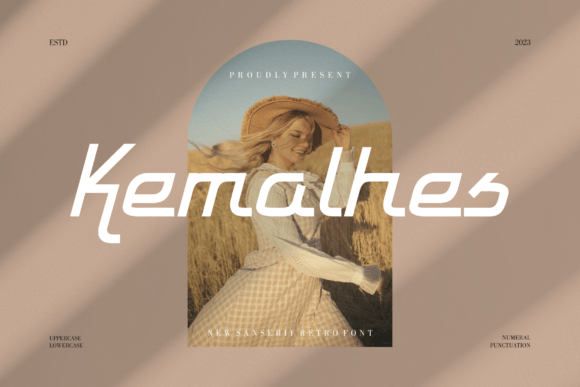
There's a moment in every design project where the typeface either lifts the entire concept or quietly undermines it. You've seen it happen—a beautifully composed layout falls flat because the font feels generic, or a simple idea gains unexpected power because someone chose letterforms with real personality. Kemalhes sits firmly in that second category. It's a display font that doesn't whisper; it speaks with confidence, blending sharp geometric angles against fluid curves to create something that feels both futuristic and grounded.
If you've been scrolling through font libraries looking for something that breaks away from the usual suspects without being illegible or impractical, this typeface deserves your attention. It carries a distinct visual rhythm—each character feels intentionally crafted rather than assembled from templates. The result is a font that works exceptionally well when you need your text to carry visual weight, whether that's on a product label, a website hero section, or a social media campaign designed to stop someone mid-scroll.
What Makes This Typeface Visually Distinctive
The first thing you'll notice about Kemalhes is its architectural quality. The letterforms seem to borrow from industrial design—think of the clean lines you'd see on a concept car or a piece of modern furniture. But there's nothing cold or sterile about it. The curves that soften certain characters add warmth and approachability, preventing the font from feeling overly mechanical.
This balance is surprisingly rare in the world of premium display fonts. Many typefaces lean too far into sharp minimalism and end up feeling clinical. Others overdo the decorative elements and sacrifice legibility. Kemalhes threads that needle effectively. The uppercase letters, in particular, have a commanding presence that makes them ideal for headlines and titles. The lowercase forms maintain readability while keeping that distinctive edge that sets the typeface apart from standard sans serif options.
For designers who think in terms of brand identity, this kind of visual character is invaluable. A font like this doesn't just display words—it communicates a mood. It tells your audience that the brand behind the text values innovation, isn't afraid to stand out, and pays attention to the details that separate memorable design from forgettable decoration.
Practical Applications Across Design Projects
Understanding where a display font genuinely shines versus where it creates problems is something that separates experienced designers from beginners. Kemalhes works best in contexts where you need large-scale text to make an immediate impression. Here's where it tends to perform exceptionally well:
- Logo design and wordmarks — The distinctive letterforms give logos an unmistakable identity. A brand name set in Kemalhes won't be confused with competitors using overused typefaces.
- Packaging design — On shelf displays, the font's bold presence helps products stand out. It works particularly well for tech brands, lifestyle products, and anything targeting a younger, design-conscious demographic.
- Social media graphics — When you have roughly two seconds to capture attention in a crowded feed, a font with real visual personality makes a measurable difference. Think Instagram stories, YouTube thumbnails, or Pinterest pins.
- Poster and event materials — The avant-garde aesthetic suits music events, gallery openings, product launches, and conference branding where a contemporary vibe matters.
- Website headers and hero sections — Used at larger sizes for key messaging, Kemalhes can anchor a homepage or landing page with striking visual authority.
- Editorial layouts — Magazine covers, feature article headlines, and chapter openers in digital publications benefit from the font's dramatic presence.
- Merchandise and apparel — T-shirts, tote bags, and branded merchandise often need a single typeface that carries the entire design. This font has enough character to pull that off.
- Digital products and marketing assets — Ebook covers, course graphics, email headers, and ad creatives all benefit from typography that looks polished without requiring extensive design work.
Pairing Kemalhes with Other Fonts
No display font exists in isolation. The real magic happens when you pair a headline typeface with complementary body text. Because Kemalhes carries so much visual energy, you'll want to balance it with something more restrained for longer passages of text.
A clean, neutral sans serif works well for body copy—think fonts with generous x-heights and open letter spacing that prioritize readability at smaller sizes. If your project leans more editorial or sophisticated, a classic serif font for body text can create an appealing contrast between the modern headline and the traditional running text.
Script and handwritten fonts can occasionally work alongside Kemalhes in specific contexts, particularly for accent text or callouts. However, exercise restraint here. Two highly stylized fonts competing for attention usually creates visual noise rather than harmony. The general principle is straightforward: let the display font do the heavy lifting for impact, and choose quieter typography for everything else.
Before committing to any pairing, test your combinations in context. Set actual project copy—not just "Lorem ipsum"—and view it at the sizes your audience will actually encounter. A pairing that looks elegant in a 24-point mockup might feel completely different at 14 points on a mobile screen.
Readability Considerations for Real-World Use
Every designer eventually learns the difference between a font that looks stunning in a showcase image and one that actually performs in production. Kemalhes is designed as a display typeface, which means it's built for larger sizes where its detailed character shapes can breathe. Using it for extended paragraphs at small sizes would undermine both its visual strengths and your reader's experience.
This isn't a limitation—it's simply understanding how different font categories work. You wouldn't use a script font for a legal document or a monospaced typeface for a wedding invitation. Display fonts like Kemalhes serve a specific purpose: creating powerful first impressions in headlines, titles, logos, and short impactful text.
When planning your project's typography hierarchy, assign Kemalhes to the elements that need to command attention. Then select a complementary typeface—whether that's a serif, sans serif, or something else entirely—for body text, captions, and supporting information. This layered approach gives your design both visual punch and functional readability.
Choosing the Right Style and Licensing
Before purchasing any creative font for commercial work, take time to review what's actually included in the package. Quality typefaces often come with multiple weights, stylistic alternates, or extended character sets that support different languages. Understanding these options upfront helps you make better design decisions and get full value from your investment.
Equally important is understanding the licensing terms. If you're a freelancer designing for clients, a small business owner creating your own brand materials, or an agency working across multiple accounts, the license needs to match your actual usage. Some licenses cover a single installation; others allow broader commercial application. Reading the fine print before you start a project prevents headaches later.
Think of quality typography as a design asset with long-term value. A well-chosen premium font becomes part of your creative toolkit—something you return to across multiple projects because it consistently delivers the visual impact you need. Kemalhes, with its distinctive blend of sharp geometry and fluid curves, occupies that space for designers seeking modern typography with genuine character.
The best way to know if a typeface truly fits your work is to test it against your actual projects. Download what's available, set your real headlines, pair it with your existing brand elements, and see how it performs. Typography decisions made in context always outperform choices made from thumbnail previews alone. When a font resonates with both your creative instincts and your project's practical demands, you've found something worth building around.