Second Bunnies: A Font That Brings a Smile to Your Designs
There's a certain magic that happens when a design element instantly connects with its audience. It’s not just about looking good; it’s about feeling right. In the crowded world of typography, where clean sans-serifs and elegant serifs often dominate, a font like Second Bunnies steps in like a ray of sunshine. It’s more than just a collection of letters; it’s a personality, a vibe, and a tool for injecting pure, unadulterated charm into your work. If your project needs to whisper (or shout) warmth, friendliness, and a touch of whimsy, this delightful display typeface might just become your new best friend.
The Personality Behind the Curves
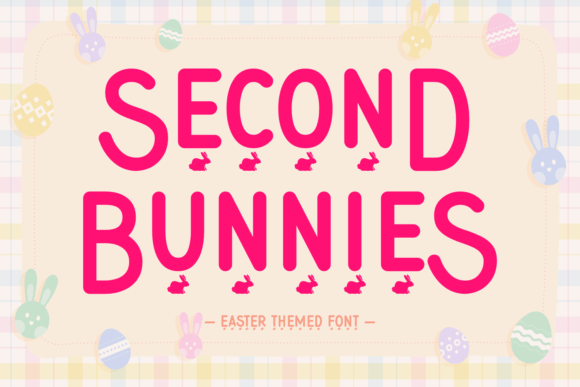
What exactly makes Second Bunnies so visually appealing? It all starts with its character. This isn't a cold, geometric font. Its letters are crafted with soft, rounded edges and a gentle, almost hand-drawn quality. The curves are playful without being childish, friendly without sacrificing clarity. Think of the difference between a stiff, formal handshake and a warm, welcoming hug—that’s the kind of energy we’re talking about. This inherent warmth makes it a fantastic creative font for projects targeting families, children, or anyone looking to evoke a sense of comfort and approachability.
As a premium font, Second Bunnies is designed with versatility in mind. While it shines brightest as a display typeface for headlines and logos, its thoughtful design ensures readability even at smaller sizes, a common pitfall for many decorative fonts. It bridges the gap between a whimsical script font and a practical sans serif, offering a unique middle ground that’s both eye-catching and functional. This balance is crucial for modern typography, where a single typeface often needs to carry a brand's voice across multiple platforms.
From Branding to Birthday Cards: Real-World Applications
The true test of any design asset is its application. Where does a font like Second Bunnies truly come alive? The possibilities are wonderfully diverse, limited only by your imagination. For branding and logo design, it can be the cornerstone of an identity for a children's boutique, a family-friendly cafe, a pet grooming service, or a local bakery. It instantly communicates a brand that’s approachable, fun, and cares about creating a positive experience.
Beyond the logo, its charm extends to every touchpoint of your brand identity. Imagine it on packaging design for organic baby food or artisanal cookies—it makes the product feel handmade and special. In the digital realm, it’s a powerhouse for social media graphics. A quote card or a promotional post set in Second Bunnies stops the scroll with its friendly appeal, boosting audience engagement. It works beautifully for blog headers, website banners, and call-to-action buttons where you want to guide the user with a gentle, inviting nudge.
The applications flow seamlessly into print and merchandise. It’s a natural fit for posters for community events, invitations for baby showers or kids' parties, and greeting cards that feel personal and heartfelt. For editorial design, think of chapter headings in a cookbook or a lifestyle magazine. Even merchandise like t-shirts, tote bags, and mugs can benefit from its cheerful personality, making products that people love to use and show off.
Making It Work: Practical Advice for Your Projects
Finding a font you love is the first step. Knowing how to use it effectively is what sets professional work apart. Here’s how to integrate Second Bunnies into your workflow for maximum impact.
Choosing the Right Style and Pairing: Before you dive in, check what styles are included. Does the font family come with different weights (like Regular and Bold) or alternate characters? Using these variations can add depth to your design assets. The key to great font pairing is contrast. Second Bunnies, with its strong personality, pairs beautifully with a simple, clean sans serif font for body text. Think of it as the charismatic star of the show, supported by a reliable, understated co-star. This pairing ensures your design is both engaging and highly readable.
Readability is Key: Always test your text at the size it will be viewed. A display font like Second Bunnies is perfect for large headlines, but for long paragraphs of body copy, a more neutral serif font or sans serif is typically a better choice for sustained reading. The goal is to use Second Bunnies to draw the eye and set the tone, then let a complementary font handle the detailed information.
Aligning with Project Goals: Match the font to your message. Is the goal to be playful and energetic? Use it for a headline on a flyer for a summer camp. Is the goal to be comforting and trustworthy? Use it in the logo for a family therapist's office (perhaps in a softer color palette). The same font can convey different nuances depending on its context, color, and surrounding design elements.
A Smart Choice for Commercial and Creative Projects
When you're investing in a commercial font, you're not just buying letters; you're investing in a tool for visual communication. A well-crafted typeface like Second Bunnies contributes directly to visual consistency across your project, which in turn strengthens brand recognition. When customers see that same friendly, warm lettering on your website, your packaging, and your social posts, it builds a cohesive and memorable identity.
This consistency elevates your professional presentation. It shows attention to detail and a clear understanding of your brand's voice. Whether you're a small business owner designing your own materials, a marketer crafting a campaign, or a hobbyist creating digital products for sale, using a premium font ensures your work looks polished and intentional. It’s a small detail that makes a significant difference in how your audience perceives your quality and credibility.
Ultimately, typography is about storytelling. Second Bunnies tells a story of joy, warmth, and approachability. By thoughtfully incorporating it into your designs—whether for a logo, a poster, or a social media graphic—you’re not just decorating a page. You’re crafting an experience and building a connection with your audience, one friendly curve at a time.