Pixel Retro: The Display Font That Brings Nostalgia to Your Brand
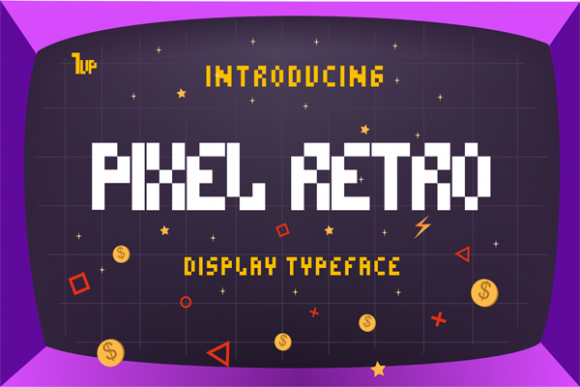
There's something magnetic about a font that instantly transports you to another era. Pixel Retro does exactly that—it channels the bold, blocky aesthetic of early computer graphics and arcade cabinets while remaining surprisingly versatile for modern design projects. Whether you're crafting a logo for a tech startup, designing packaging for a retro-themed product, or creating social media graphics that stop the scroll, this display typeface delivers personality without sacrificing clarity.
What sets Pixel Retro apart from other retro-inspired fonts is its balance between nostalgia and functionality. It doesn't just look like a throwback gimmick. The letterforms are carefully constructed to maintain readability at various sizes, which means you can actually use it across multiple touchpoints in your brand identity without worrying that your audience will struggle to read your message. That's a real concern with many display fonts—they look incredible at 72 points on a poster but fall apart completely when scaled down for a website header or business card.
Why Designers Keep Reaching for This Typeface
Every designer has that one font they return to when a project calls for something with character. Pixel Retro fills that role for anyone working on projects that benefit from a playful, energetic, or tech-forward aesthetic. The font family includes multiple styles and variations, giving you flexibility to create visual hierarchy without introducing a competing typeface. You can use a bolder weight for headlines and a lighter option for supporting text, maintaining cohesion throughout your layout.
Consider a small business owner launching a line of gaming accessories. The packaging needs to communicate fun and excitement while still looking professional enough to sit on retail shelves. Pixel Retro handles this beautifully—it signals the gaming world immediately through its visual DNA, but its clean construction keeps the overall presentation polished. The same font can carry through to the company's website, email headers, social media posts, and even merchandise designs, creating a unified brand experience that customers recognize instantly.
For content creators and bloggers, this typeface offers a way to inject personality into digital spaces that often feel generic. A food blogger channeling 80s nostalgia, a tech reviewer who wants their thumbnails to pop, or a lifestyle brand targeting millennials with fond memories of early internet culture—all of these scenarios benefit from a display font that carries built-in associations without requiring explanation.
Practical Applications Across Design Projects
The versatility of Pixel Retro becomes clear when you map out its potential uses. Here's where this font truly shines:
- Logo design: The distinctive pixelated letterforms create memorable wordmarks that stand apart from competitors using standard sans serif fonts. A logo built with Pixel Retro signals creativity and a willingness to have fun with branding.
- Packaging design: Product labels, boxes, and wrappers benefit from the font's bold presence on shelves. It works particularly well for food and beverage brands, tech products, and anything targeting a younger demographic.
- Social media graphics: Instagram stories, YouTube thumbnails, TikTok overlays, and Pinterest pins all demand fonts that grab attention in crowded feeds. Pixel Retro's distinctive silhouette makes it immediately recognizable even at small sizes.
- Event invitations: Themed parties, gaming tournaments, retro-themed weddings, or corporate events with a playful twist—the font sets the tone before guests even read the details.
- Merchandise and apparel: T-shirts, mugs, stickers, and tote bags often rely on bold typography rather than complex illustrations. A well-chosen display font like this one can carry an entire product design.
- Editorial layouts: Magazine features, blog headers, and digital publications covering technology, gaming, or pop culture benefit from a typeface that complements the subject matter visually.
- Marketing assets: Email campaigns, digital ads, landing pages, and promotional materials all gain visual interest when paired with a creative font that breaks away from the Helvetica-and-Montserrat monotony.
Getting the Most from Your Font Pairings
One of the most practical skills in modern typography is knowing how to pair fonts effectively. Pixel Retro works best as the star of the show—the headline font, the logo typeface, the attention-grabber. For body text and longer passages, you'll want to pair it with something more neutral and highly readable. A clean sans serif font provides excellent contrast without competing for attention. Think of it as a collaboration: Pixel Retro brings the energy and personality, while your secondary font handles the heavy lifting of extended reading.
When testing font pairings, create sample layouts that mimic your actual project. Don't just set the fonts side by side in a blank document. Place them in context—mock up a social media post, a website hero section, or a product label. Pay attention to how the weights interact, whether the x-heights feel harmonious, and whether the overall composition feels balanced or chaotic. Sometimes a pairing that looks odd in isolation works perfectly within a real design because other visual elements—color, imagery, spacing—provide the connective tissue.
Readability should always guide your decisions. Display fonts like Pixel Retro are designed for impact at larger sizes, so resist the temptation to use them for paragraphs of body copy. Instead, let them command attention in headlines, subheadings, pull quotes, and call-to-action buttons where their personality enhances rather than hinders communication.
Building Brand Recognition Through Typography
Consistency is the foundation of strong brand identity. When your audience sees the same typeface across your website, packaging, social media, and print materials, they begin to associate that visual language with your brand. Pixel Retro offers enough variation within its family to create a complete typographic system while maintaining the unmistakable character that makes it distinctive.
Think about brands you recognize instantly from their typography alone. That level of recognition comes from deliberate, consistent application of a chosen typeface across every customer touchpoint. By selecting a font with as much personality as Pixel Retro, you're giving your brand a visual voice that's hard to confuse with competitors. The key is committing to it fully—using it across all relevant applications rather than mixing in too many competing styles that dilute the effect.
For entrepreneurs and small business owners building their first brand identity, investing in a premium font with commercial licensing is a smart move. It ensures you have the legal right to use the typeface across all commercial applications, from product packaging to advertising. Always review the licensing terms before purchasing any design assets to confirm they align with your intended use cases.
Final Thoughts on Making This Font Work for You
Pixel Retro is more than a novelty typeface—it's a practical design tool for anyone whose projects benefit from bold, nostalgic, or tech-inspired typography. The included style variations give you enough range to build complete layouts, while the carefully crafted letterforms ensure your designs look intentional rather than gimmicky. Whether you're a seasoned designer with a library of hundreds of fonts or a business owner tackling your first branding project, this typeface deserves a spot in your toolkit. The best way to understand its potential is to start experimenting. Drop it into your next project and see how it transforms the visual conversation.