Rosther: The Display Font That Brings Warmth to Your Brand
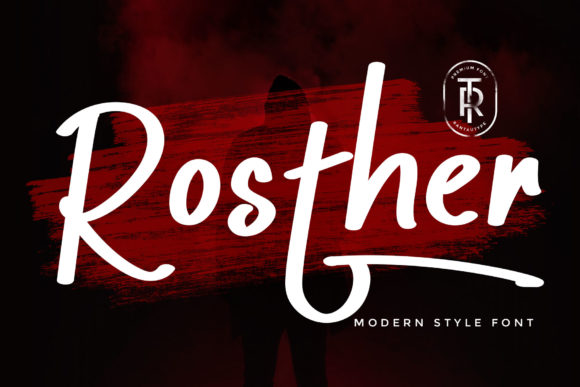
There’s a certain magic in typography that feels human. It’s the difference between a message that lands with warmth and one that feels sterile. If you’ve ever scrolled through Instagram and stopped on a post because the text felt like a handwritten note from a friend, you’ve experienced this power. That authentic, hand-crafted quality is exactly what defines Rosther, a charming display font designed to infuse your projects with personality and sincerity. It’s more than just letters on a page; it’s a tool for creating genuine connections.
So, what makes a typeface like Rosther stand out in a sea of digital fonts? It’s all in the details. This is a font with a story. The subtle variations in its strokes, the slight imperfections that mimic the flow of a brush or pen, give it an organic, lived-in feel. It avoids the cold precision of geometric sans serifs, instead embracing the character of a hand-lettered script. This makes it particularly effective for projects where you want to convey approachability, craftsmanship, and a personal touch. Think of the elegant swirl on a boutique bakery’s logo or the heartfelt script on a wedding invitation—Rosther is built for these moments.
Where Authenticity Meets Application
The true test of any creative font is how it performs in the real world. Rosther’s display nature means it’s designed to shine at larger sizes, making it ideal for headlines, logos, and prominent text where its unique character can be fully appreciated. It’s not meant for body copy in a novel, but for the moments that need to capture attention and evoke emotion.
For brand identity, this typeface is a game-changer. Imagine a small-batch candle company using Rosther for its logo and packaging. The font immediately communicates a sense of artisanal quality and care, setting it apart from mass-produced competitors. Similarly, a freelance photographer could use it in their watermark or on their website headers to add a signature, personal flair to their portfolio. It helps build brand recognition by creating a consistent and memorable visual voice that feels distinctly human.
In the realm of social media graphics, where you have mere seconds to make an impact, Rosther helps create scroll-stopping content. Use it for quote graphics, sale announcements, or Instagram Story headers to add a layer of visual interest that standard fonts lack. It pairs beautifully with clean, simple sans-serif fonts for body text, creating a balanced and professional layout that enhances readability while maintaining style.
From Wedding Vows to Weekend Projects
The applications extend far beyond digital marketing. Rosther is a superb choice for any print material that benefits from a touch of elegance. Wedding invitations, save-the-dates, and thank-you cards are natural fits, as the font’s romantic and authentic feel aligns perfectly with the sentiment of the occasion. But its utility is broader than that.
Consider it for:
- Packaging Design: Labels for handmade soaps, gourmet foods, or craft beverages.
- Editorial Layouts: Magazine headlines or feature titles that need a creative, engaging hook.
- Merchandise: T-shirt graphics, tote bag prints, or mug designs with a boutique feel.
- Event Promotion: Posters and flyers for farmers' markets, art fairs, or local workshops.
- Digital Products: E-book covers, printable wall art, or course graphics that require a cohesive, branded look.
The key is to match the font’s personality to your project’s goal. Rosther communicates creativity, care, and authenticity. Using it for a corporate finance report might feel out of place, but for a bakery’s menu, a yoga studio’s brochure, or a blogger’s lead magnet, it’s a perfect fit.
Making It Work: Practical Typography Tips
Choosing a beautiful font is only half the battle; using it effectively is what elevates your design. Here’s how to get the most out of a premium font like Rosther.
1. Mind the Pairing. Rosther is a star player, but it needs a supporting cast. Because it’s a decorative display font, it should almost always be paired with a highly readable, neutral typeface for longer text. A classic sans serif font like Montserrat or a simple serif font like Lora can provide excellent contrast. This pairing ensures your main message is both eye-catching and easy to digest, improving overall visual consistency.
2. Test for Readability. Always test your design at its intended size and medium. A font that looks stunning in a design mockup on your screen might lose clarity when printed small on a business card. Check the spacing (kerning) between specific letter pairs, especially if the font includes stylistic alternates or ligatures. Ensuring legibility is a cornerstone of professional presentation.
3. Explore the Included Styles. A quality creative font often comes with more than just basic uppercase and lowercase letters. Look for stylistic alternates, swashes, or additional weights. These extras allow you to customize your typography further, creating unique wordmarks or decorative elements that make your logo design or headline truly one-of-a-kind.
4. Understand the License. Before you start a commercial project, always verify the font’s licensing. Most premium fonts for designers and businesses come with a commercial license that allows use in client work, merchandise, and digital products. This is a critical step for any creative entrepreneur or small business owner to ensure their design assets are fully compliant.
In a world saturated with generic visuals, a thoughtfully chosen typeface like Rosther can be your secret weapon. It’s not just about making things look pretty; it’s about strategic communication. By selecting a font that aligns with your brand’s story and your audience’s expectations, you create work that resonates on a deeper level. Whether you’re designing a logo, crafting a social media campaign, or printing a heartfelt card, the right typography doesn’t just display a message—it helps you feel it.