Waxedtown: The Graffiti Font That Brings Raw Energy to Your Projects
There's a particular kind of energy that graffiti carries—a rebellious spirit, an unapologetic boldness, a sense of movement frozen in time. Finding a typeface that captures that authentic street-art feeling without looking cheap or cartoonish is surprisingly difficult. Waxedtown manages to pull it off. This display font channels the raw, expressive nature of graffiti lettering into a versatile tool that designers, creators, and business owners can actually use across a wide range of projects. It's not trying to be subtle. It's loud, confident, and unapologetically fun—and sometimes that's exactly what a project needs.
What Makes This Typeface Stand Out
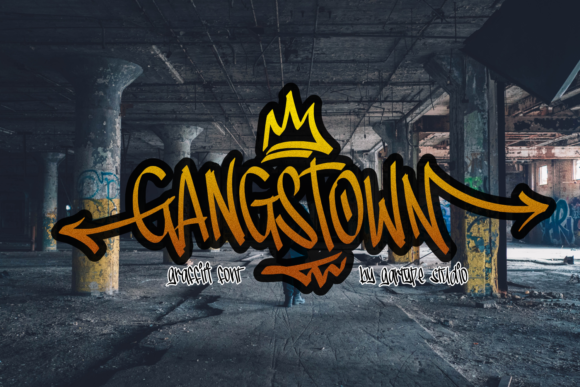
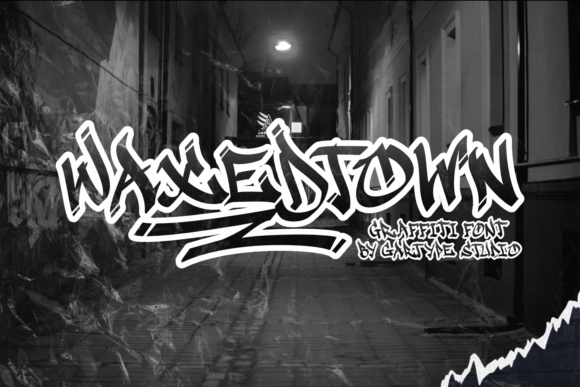
Waxedtown is a cool and fun graffiti styled display font. Whether you're using it for crafting, digital designing, presentations or greeting cards making, it's perfect. But what does that actually mean in practice? The letterforms carry the characteristic weight and angular energy you'd expect from hand-sprayed street art, but they've been refined enough to work cleanly in digital and print environments. The strokes have a sense of weight and texture that gives each character personality, while the overall consistency ensures the font remains legible even at varying sizes.
Unlike some display fonts that sacrifice readability for style, Waxedtown strikes a balance. The letters are distinct from one another, which matters enormously when you're working on logo design or headline treatments where every character needs to register instantly. The graffiti influence gives it an edge that feels contemporary and culturally relevant without veering into parody.
Where This Font Truly Shines
Think about the brands and products that resonate with younger, culturally engaged audiences. Streetwear labels, independent music festivals, craft breweries, skate shops, urban art galleries, and creative agencies all share a visual language rooted in counter-culture aesthetics. Waxedtown slots naturally into this world. It's the kind of typeface that makes a festival poster pop from across the room or gives a small-batch product label an identity that feels genuinely cool rather than corporate-trying-to-be-cool.
For packaging design, particularly in industries targeting demographics between 18 and 40, a font like this communicates authenticity. Imagine a hot sauce brand, a specialty coffee roaster, or a limited-edition sneaker drop—these products thrive on visual personality, and Waxedtown delivers exactly that. The graffiti styling suggests craftsmanship, individuality, and a rejection of mass-market blandness.
Social media graphics are another arena where this typeface excels. Instagram stories, TikTok overlays, YouTube thumbnails, and promotional posts all demand type that grabs attention in a fraction of a second. Waxedtown's bold silhouette and distinctive character shapes make it nearly impossible to scroll past without noticing. For content creators building a personal brand or small businesses running their own social accounts, having a reliable display font for this purpose is genuinely valuable.
Pairing Waxedtown with Other Typefaces
No display font works in isolation. The real power of a creative font like Waxedtown comes alive when you pair it thoughtfully with complementary typefaces. Because it carries so much visual weight and personality, it needs a partner that steps back and lets it lead.
A clean sans serif font works beautifully alongside Waxedtown for body copy, captions, and supporting text. Think of something like a geometric sans or a humanist typeface—fonts that offer clarity without competing for attention. This combination is especially effective for web design, editorial layouts, and marketing materials where you need the headline to punch and the body text to flow comfortably.
For projects with a more editorial or premium feel, consider pairing it with a refined serif font. The contrast between Waxedtown's street energy and a classic serif's elegance creates visual tension that can feel sophisticated and intentional. This approach works well for magazine spreads, lookbooks, and brand identity systems that want to bridge urban culture with upscale positioning.
The key principle is contrast. Avoid pairing Waxedtown with other highly stylized fonts—a script font, another display typeface, or a heavily textured handwritten font. Too many competing voices create visual noise. Let Waxedtown be the loudest voice in the room, and choose quieter companions that support rather than clash.
Practical Considerations Before You Commit
Before incorporating any premium font into your workflow, a few practical steps will save you headaches down the road.
Test at the sizes you'll actually use. Display fonts are designed primarily for larger applications—headlines, logos, posters, signage. Waxedtown is no exception. Set it at the exact size where it will appear in your final design and evaluate legibility. If you're using it for a logo that will appear small on business cards or mobile screens, test those dimensions too.
Review the included character set. Check whether the font includes the glyphs, numerals, punctuation marks, and language support your project requires. Some creative fonts include alternate characters, ligatures, or stylistic variations that can add extra flair to your designs. Knowing what's available lets you use the typeface to its full potential.
Understand the licensing. If you're working on commercial projects—and especially if you're creating merchandise, products for sale, or client work—make sure the font's license covers your intended use. Commercial licensing for design assets is non-negotiable. Using a font outside its license terms exposes you to legal risk, and it's a detail that separates professional designers from hobbyists.
Consider your audience honestly. Waxedtown's graffiti aesthetic communicates specific things: youth, creativity, rebellion, energy, authenticity. If your brand or project targets a conservative corporate audience, this might not be the right fit. But if your audience values creativity, individuality, and cultural relevance, it could be exactly the missing piece in your visual identity.
Building a Consistent Visual Identity
Typography is one of the most powerful tools for brand recognition. When people see the same typeface used consistently across a website, social media, packaging, and print materials, it creates a visual anchor in their memory. Choosing a distinctive typeface like Waxedtown and committing to it across your touchpoints builds that consistency.
This is particularly important for small businesses and independent creators who may not have massive marketing budgets. A strong, recognizable typeface does heavy lifting. It makes your Instagram grid feel cohesive. It makes your product packaging recognizable on a crowded shelf. It gives your website a personality that visitors remember after they've closed the tab.
The trick is discipline. Once you select Waxedtown as part of your brand identity system, use it intentionally. Define where it appears—headlines, product names, taglines—and where it doesn't. Establish your font pairings and stick to them. Create simple brand guidelines, even if it's just a one-page document, that outline how your typography should be used. This kind of consistency transforms a cool font choice into a genuine brand asset.
The Bottom Line for Creative Professionals
Finding the right typeface often feels like searching for a specific note in a song—you know what you need, but articulating it is hard. Waxedtown answers a very specific need: bold, expressive, graffiti-inspired display typography that works across real-world applications. It's not a workhorse font for body copy, and it's not trying to be. It's a specialist that does its job exceptionally well.
Whether you're designing merchandise for a streetwear startup, creating social media templates for a music brand, building poster layouts for events, or developing packaging for a product that needs to stand out, having a typeface like this in your toolkit gives you options that more conventional fonts simply can't provide. Pair it wisely, use it with intention, and let its personality do what it does best—command attention and communicate attitude.