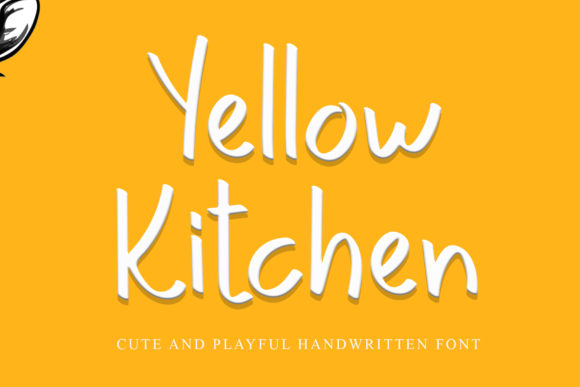
Yellow Kitchen: A Modern Display Font for Every Project
There's a particular kind of confidence that comes from finding a typeface that just works. It doesn't scream for attention, but it holds it effortlessly. It feels current without being trendy, clean without being cold. That's the experience of working with Yellow Kitchen, a modern display font designed for clarity and style. Its strength lies in its simplicity—smooth, confident curves and a balanced form that makes it incredibly versatile. Whether you're crafting a brand identity from scratch or refreshing a social media feed, this typeface offers a foundation you can build on with real confidence.
Where Style Meets Substance in Typography
At its heart, Yellow Kitchen is a study in purposeful design. It's not a script font trying to mimic handwriting, nor is it a stark sans serif. It occupies a distinct space as a modern display typeface, characterized by its readability and sophisticated simplicity. The letterforms are defined by soft, fluid curves that give the font a friendly yet professional personality. This makes it an excellent choice for projects where you need to communicate approachability without sacrificing polish. Think of the clean lines of a contemporary fashion logo or the elegant simplicity of a wellness brand's packaging—Yellow Kitchen thrives in these environments. Its design ensures that headlines are impactful and subheadings are clear, supporting a seamless visual hierarchy in any layout.
One of the most practical aspects of a premium font like this is the range of styles it includes. Before you even start designing, take a moment to review what's in the package. Does it offer regular, bold, and italic versions? Are there alternate characters or ligatures? Understanding these features is key to unlocking the font's full potential. For instance, using the bold weight for your main logo and the regular weight for body copy on your website creates instant visual consistency. This kind of thoughtful typography is what separates a cohesive brand identity from a disjointed collection of assets. It's a small detail that makes a significant difference in professional presentation.
Practical Applications: From Screen to Print
The true test of any creative font is how it performs across different mediums. Yellow Kitchen's clean construction makes it a reliable workhorse for both digital and print projects. For entrepreneurs and small business owners, this versatility is invaluable. You can use the same core typeface for your website headers, your Instagram graphics, your product packaging, and your printed business cards, ensuring your brand feels unified wherever customers encounter it.
Let's break down some specific, real-world uses:
- Brand Identity & Logo Design: Its modern, stylish character makes it a strong candidate for logos, especially in the fashion, beauty, lifestyle, and food industries. The smooth curves convey a sense of quality and care.
- Packaging Design: On product labels or boxes, readability is paramount. Yellow Kitchen's clear letterforms ensure product names and key information are legible, even from a distance or in a quick glance.
- Editorial & Web Design: For blogs, magazines, or website hero sections, it creates striking headlines that draw readers in. Pair it with a simple, complementary sans serif or serif font for body text to maintain excellent readability.
- Marketing & Social Media: Consistent typography is a cornerstone of strong social media graphics. Using Yellow Kitchen for quotes, announcements, and story highlights helps build instant recognition for your brand in a crowded feed.
- Print Materials & Merchandise: From event posters and invitations to tote bags and t-shirts, its stylish simplicity translates beautifully to physical goods, adding a professional touch to any merchandise.
When selecting a font for a project, always consider the audience and the medium. A font that looks perfect on a high-resolution screen might lose its nuance when printed on textured paper. Testing is non-negotiable. Mock up your designs in their intended final format—see how the text looks on a mobile phone screen, print a sample on your chosen paper stock, or view it from a few feet away as a poster would be seen. This practical step will quickly reveal if the typeface serves the project's goals.
Making It Work: Pairing and Licensing
A single font rarely works in complete isolation. The art of font pairing—combining two or more typefaces—is where design gets interesting. Yellow Kitchen, as a display font, naturally excels at grabbing attention for titles and headings. Its role is often to set the tone. To create a balanced and readable design, you'll want to pair it with a more neutral typeface for longer blocks of text.
Consider these pairing strategies:
- Contrast in Style: Pair the modern, slightly decorative nature of Yellow Kitchen with a clean, geometric sans serif for body copy. This creates a clear visual distinction between headline and content.
- Complementary Moods: If your brand has a classic, elegant feel, try pairing it with a traditional serif font. The contrast between the modern display font and the classic serif can feel both sophisticated and fresh.
- Keep it Simple: The safest and often most effective approach is to use Yellow Kitchen for all major headings and a highly readable, standard sans serif (like one of the system fonts) for paragraphs and UI elements. This ensures maximum readability and a clean, professional look.
Finally, a crucial and often overlooked step is understanding the licensing for any commercial font you use. A "free for personal use" license does not cover projects where you earn money, such as client work, products for sale, or monetized blogs. Always verify that the font comes with a commercial license that covers your intended use. This protects you legally and ensures the font creator is fairly compensated for their work, which in turn supports the creation of more high-quality design assets for everyone. Choosing a font like Yellow Kitchen with clear, comprehensive licensing gives you the freedom to use it confidently across all your creative and commercial endeavors, from your first draft to your final product launch.