Why "Living Together" is the Font Your Brand's Personality Needs
There’s a specific feeling you get when you open a beautifully crafted invitation or see a logo that just feels… friendly. It’s a sense of warmth, approachability, and genuine connection. That feeling doesn’t happen by accident. It’s often the result of a thousand small choices, and one of the most powerful is typography. A font can be the difference between a message that feels corporate and cold, and one that feels like it’s coming from a friend. For designers, entrepreneurs, and creators building a brand rooted in community, joy, or nostalgia, finding a typeface that embodies those values is everything.
Capturing a Whimsical and Unified Spirit
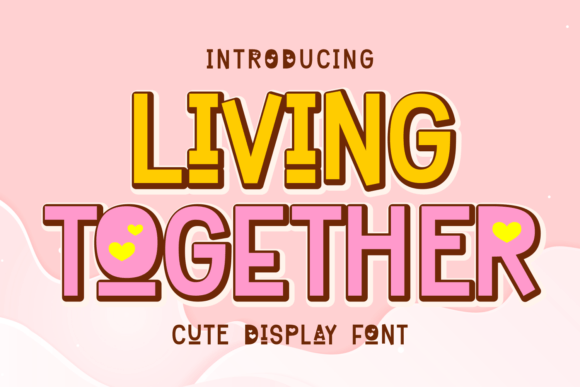
Enter Living Together, a display font that wears its heart on its sleeve. This isn’t a sterile, geometric sans serif or a formal, commanding serif. It’s a premium font with a distinctly cheerful and handwritten character. Its curves are soft and playful, its strokes have a gentle, organic rhythm. The overall effect is a typeface that feels human, approachable, and inherently positive. It evokes a sense of togetherness and lighthearted fun, making it a standout choice for projects where emotional connection is key.
This creative font isn't trying to be everything to everyone. Its personality is clear: it’s for brands and projects that want to communicate warmth, inclusivity, and a touch of whimsy. Think of the friendly local bakery, the children’s book author, the handmade soap company, or the community-focused non-profit. Living Together becomes the visual voice for that ethos.
From Screen to Shelf: Practical Applications
The true test of a display font is how it performs in the real world. Living Together shines in contexts where you want to make a memorable, positive impression. Its lively demeanor is perfect for logo design, especially for brands that want to avoid looking too rigid or corporate. It can become the cornerstone of a brand identity that feels welcoming and authentic.
Beyond logos, its applications are vast. In packaging design, it can make a product feel artisanal and friendly on a crowded shelf. For social media graphics, it instantly grabs attention with its energy and helps create cohesive, on-brand templates that stand out in a feed. It’s a fantastic asset for editorial design in children’s magazines or lifestyle blogs, and it brings a personal touch to print materials like event posters, flyers, and menu designs.
For digital creators, it’s a gem. Use it for header graphics on your website, for the title of a digital planner, or as the headline font in an email newsletter to inject personality. If you’re selling merchandise—think t-shirts, tote bags, or mugs—this handwritten font style can make your designs feel more personal and less mass-produced.
Making It Work: Pairing and Professional Polish
While Living Together has a strong personality, using it effectively requires some thoughtful pairing. As a display font, it’s best used for headlines, titles, and short bursts of impactful text. For body copy or longer paragraphs, readability is paramount. This is where font pairing becomes your best friend.
Try pairing it with a clean, simple sans serif font like Open Sans or Lato for body text. The contrast allows the whimsy of Living Together to shine without sacrificing the clarity of your message. For a more nuanced approach, it can also work beautifully with a classic, readable serif font like Merriweather or Georgia, creating a blend of modern friendliness and traditional trustworthiness.
A crucial step in any project is testing. Always view your chosen font pairings in context. Check how they look at different sizes, on various backgrounds, and across different devices. Does the Living Together font remain legible when small? Does the overall typographic hierarchy guide the reader’s eye naturally? These practical checks ensure your design is not just beautiful, but functional.
Smart Choices for Commercial Projects
If you’re a small business owner or a designer working for clients, licensing is a non-negotiable consideration. Living Together is a commercial font, meaning you need to ensure you have the correct license for your project’s scope. A license for a client’s logo is different from one for a mass-produced product line. Always review the terms provided with your font purchase to understand what’s permitted for merchandise, digital goods, and client work. This due diligence protects you and your clients professionally.
Finally, explore the full family. Many premium fonts come with multiple styles—perhaps different weights, alternates, or ligatures. These extras are not just bonuses; they are tools that give you more creative control and help maintain visual consistency across a complex project. Understanding what’s included in your design assets allows you to maximize the font’s potential and craft a more refined brand identity.
Choosing a typeface is a strategic decision. It’s not just about what looks nice; it’s about what aligns with your story and speaks directly to your audience. Living Together offers a distinct and valuable voice for those aiming to build connections through design. It’s a tool that, when used with intention, can genuinely enhance audience engagement and make your creative vision feel more human, one cheerful letter at a time.