The Losigner: A Font That Captures Bold Brand Identity
Every brand has a voice, and that voice isn't just in the words you choose—it's in the way those words look. Think about the last time a piece of design stopped you mid-scroll. Maybe it was a logo that felt effortlessly confident, or a social media graphic that radiated energy. More often than not, the typography was doing heavy lifting behind the scenes. The Losigner is a modern display font built for exactly those moments, offering designers and business owners a typeface that commands attention without shouting.
What Makes This Typeface Stand Out
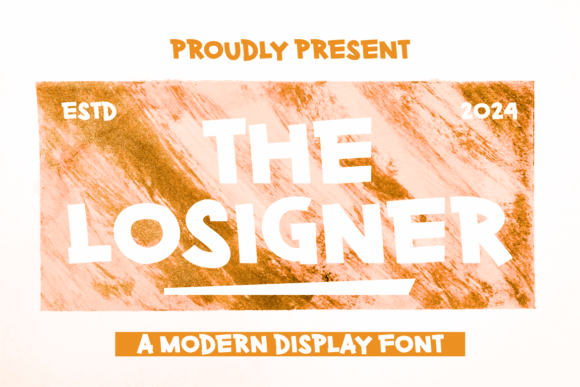
The Losigner isn't trying to be everything to everyone, and that's precisely its strength. It's a bold, contemporary display typeface with clean geometry and sharp character shapes that feel both current and timeless. The letterforms carry a sense of weight and authority, making them ideal for headlines, logos, and any context where you need text to hold its ground against competing visual elements.
What sets it apart from generic bold fonts is the attention to detail in its proportions. The spacing feels intentional, the curves have personality without being fussy, and the overall rhythm of the typeface creates a cohesive visual language. Whether you're setting a single word as a logo lockup or building out a full headline system, The Losigner delivers consistency that looks polished rather than mechanical.
Where Designers and Creators Actually Use It
Practical application matters more than theoretical appeal. Here's where this typeface tends to shine in real projects:
- Logo design and brand identity systems — The Losigner works beautifully as a primary wordmark or as a supporting headline font within a broader brand toolkit. Its boldness ensures legibility at small sizes on business cards while still looking striking on a storefront sign.
- Packaging design — Product labels, box designs, and retail packaging benefit from typefaces that communicate quality at a glance. This font brings a premium feel that works across food, beauty, fashion, and lifestyle categories.
- Social media graphics — Instagram posts, Pinterest pins, YouTube thumbnails, and TikTok overlays all demand fonts that read clearly even on small screens. The Losigner's strong presence makes it a reliable choice for content creators who need their messaging to land instantly.
- Website headers and blog design — Pairing a bold display font like this with a clean sans serif body copy creates visual hierarchy that guides readers naturally through your content.
- Print materials — Posters, flyers, brochures, event invitations, and stationery all benefit from a typeface that feels intentional and professional without requiring extensive design expertise to implement.
- Merchandise and apparel — Tote bags, t-shirts, mugs, and stickers often rely on bold, simple typography. The Losigner's modern aesthetic translates well to physical products.
- Editorial layouts and digital products — Magazine covers, ebook headers, course graphics, and presentation decks gain polish from a consistent, well-chosen display font.
Matching Typography to Your Project Goals
Choosing a font isn't just about what looks good in isolation—it's about what serves the specific project you're working on. Before committing to any typeface, including The Losigner, ask yourself a few practical questions:
What mood are you trying to create? Bold display fonts communicate confidence, modernity, and strength. If your brand leans toward approachable warmth or delicate elegance, you might pair The Losigner with a softer script font or handwritten typeface for contrast. If your brand is all about impact and authority, letting it stand alone as the hero font makes sense.
Who is your audience? A tech startup targeting millennial professionals has different visual expectations than a boutique bakery serving a local community. The Losigner's contemporary styling tends to resonate with audiences who appreciate clean, modern design—think lifestyle brands, creative agencies, fitness studios, and fashion labels.
Where will the typography appear most? If your primary touchpoints are digital—social media, websites, email headers—a display font with strong screen presence is essential. If you're primarily designing for print, consider how the font reproduces at various sizes and on different paper stocks.
Getting Font Pairings Right
One of the most practical skills in design is knowing how to combine typefaces effectively. The Losigner, with its bold display characteristics, pairs well with several complementary styles:
- With a clean sans serif — For body text on websites or in printed materials, a neutral sans serif creates breathing room and ensures readability at smaller sizes. Think of The Losigner handling all your headlines while a font like a geometric or humanist sans serif carries paragraphs and captions.
- With a script or handwritten font — For invitations, greeting cards, or brands with a personal touch, combining a bold display font with a flowing script creates visual interest and emotional warmth.
- With a classic serif — This pairing works surprisingly well for editorial layouts, luxury branding, or any project that needs to balance modernity with tradition.
The key principle is contrast without conflict. You want your paired fonts to feel different enough that the hierarchy is clear, but similar enough in spirit that they don't clash. Always test your pairings in context—set actual headlines and body copy together, view them at the sizes they'll appear in the final product, and check that the overall effect feels cohesive.
Readability Isn't Optional
Even the most visually striking font fails if people can't read it. Display fonts like The Losigner are designed for larger sizes—headlines, logos, and prominent text elements. They're not intended for long paragraphs of body copy, and that's by design. Using a display font at 12-point size for a product description would compromise legibility, while using it at 48 points for a poster headline plays to its strengths.
Consider the viewing context. A font that looks perfect on a desktop screen might feel cramped on a mobile device. Text that reads beautifully on matte paper might lose definition on glossy stock. Always preview your work in the format your audience will actually encounter it.
Understanding What You're Working With
When you invest in a premium font like The Losigner, take time to explore everything included in the package. Many modern typefaces come with multiple weights, stylistic alternates, ligatures, and extended character sets that support multiple languages. Understanding these options gives you more creative flexibility and helps you get full value from your design assets.
Pay attention to licensing terms as well. If you're using a font for commercial projects—client work, products for sale, marketing materials—make sure your license covers that use. Most premium fonts offer clear commercial licensing, but the specifics vary. Knowing the terms upfront prevents headaches later, especially if your project scales or gets distributed across multiple platforms.
Building a Consistent Visual Identity
The real power of choosing the right typeface isn't in any single design—it's in the consistency it brings across every touchpoint. When your website headers, Instagram graphics, email newsletters, packaging, and business cards all share a cohesive typographic voice, your brand becomes more recognizable and more trustworthy. People start to associate that visual language with your business before they even read the words.
The Losigner gives you a foundation for that kind of consistency. Its versatility across digital and print applications means you can build a type system around it without constantly searching for new fonts for each project. That saves time, reduces decision fatigue, and keeps your brand looking unified whether someone encounters you on a billboard or a smartphone screen.
Typography is one of those design decisions that seems small until you see the cumulative impact of getting it right. A bold, well-crafted display font doesn't just make your text look better—it shapes how people perceive your brand, how they interact with your content, and whether they remember you five minutes after scrolling past. That's the kind of quiet, lasting work that great typography does, and it's exactly what The Losigner was built to deliver.